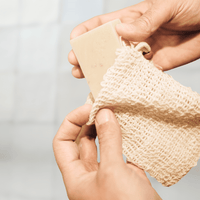

When comparing bar soap vs. liquid soap, solid bar soap is significantly more environmentally friendly, cost-effective, and travel-friendly than liquid body wash. While both effectively clean dirt and bacteria when used properly, liquid soap consists of up to 80% water packaged in single-use plastic bottles with pumps. Switching to a natural, plant-based bar soap eliminates plastic waste, reduces shipping carbon footprints, and delivers deeply hydrating botanical ingredients without harsh synthetic preservatives.
5 Key Differences Between Bar Soap and Liquid Soap
Understanding how solid bars compare to liquid pumps across essential everyday metrics:
1. Packaging & Environmental Impact
Liquid soaps require plastic bottles with complex pumps made of mixed plastics and metal springs that cannot be processed by standard municipal recycling programs. Bar soaps are wrapped in 100% compostable or recyclable paper packaging, leaving zero trash behind once used up.
2. Water Content & Shipping Footprint
Traditional liquid body washes and hand soaps are composed of 70% to 80% water. Shipping heavy, water-filled containers around the world requires vastly more fuel and generates higher carbon emissions compared to shipping compact, waterless solid bars.
3. Preservatives & Chemical Formulations
Because water is a breeding ground for bacteria and mold, liquid soap manufacturers must add strong synthetic preservatives and stabilizers. Waterless solid bars naturally resist microbial growth, allowing for pure, simple, plant-derived formulations.
4. Skin Moisture & Cleansing Power
Many liquid hand soaps rely on cheap synthetic surfactants like Sodium Lauryl Sulfate (SLS) that strip natural skin oils, leaving hands feeling dry and tight. High-quality bar soaps retain naturally occurring glycerin and moisturizing plant oils, nourishing your skin with every wash.
5. Lifespan & Value for Money
Liquid pumps make it easy to accidentally squirt out more product than necessary, causing bottles to run out quickly. A single concentrated soap bar lasts much longer, giving you significantly more washes per dollar spent.

Debunking the Bar Soap Germ Myth
A common concern about bar soap is whether it harbors germs or transfers bacteria between users:
-
Saponification Chemistry: Soap molecules bind to oil and germs on one end and water on the other, creating microscopic clusters that rinse away cleanly.
-
Germ Transfer Studies: Extensive scientific research confirms that while bacteria can temporarily sit on a wet soap bar, it does NOT transfer to the skin during washing.
-
Best Storage Practice: Rinsing the bar briefly before use and placing it on a well-draining soap dish ensures it dries completely, keeping it firm, fresh, and hygienic for the entire household.
Nourish Your Skin with The Earthling Co.
At The Earthling Co., we craft our Plastic-Free Body & Hand Soap Bars using rich botanical lipids, natural essential oil aromas, and zero harsh sulfates or parabens.
Formulated to cleanse gently without stripping your skin barrier, each bar replaces up to 2 to 3 plastic body wash bottles—giving you a luxurious, hydrating lather that is as kind to your skin as it is to the planet.
Frequently Asked Questions (FAQ)
Is bar soap more hygienic than liquid soap?
Yes, both are equally hygienic when used properly! While liquid soap dispenses from a pump, bar soap's physical action of lathering and rinsing washes surface microbes straight down the drain. Studies show bar soap does not transfer bacteria between users.
Does bar soap dry out your skin more than liquid body wash?
Not all bar soaps! While old-fashioned detergent bars could be stripping, modern plant-based bar soaps formulated with coconut oil, shea butter, and natural glycerin actually preserve and support your skin's moisture barrier better than synthetic liquid cleansers.
How do I make my bar soap last longer in the shower?
To maximize the lifespan of your soap bar, store it on a self-draining wooden or silicone soap dish out of the direct water stream. Allowing the bar to dry out between uses prevents softening and keeps it lasting for weeks.
Make the Switch to Solid Soap Today
Ready to simplify your sink and shower setup while cutting out single-use plastic? Explore The Earthling Co. Low-Waste Soap Collection and discover your new favorite plant-powered bar!