
Stress-related hair loss is completely real, common, and most frequently shows up as telogen effluvium—a temporary condition where significant physical or emotional stress pushes hair follicles into a resting phase. Because resting strands remain anchored for a few months, noticeable shedding typically peaks two to three months after the initial trigger. The good news? It is almost always temporary and fully reversible because your hair follicles remain healthy. Managing the stressor, fueling your body with proper nutrition, and giving your scalp gentle, clean care will help your natural growth cycle recover.
What Is Stress-Induced Hair Loss?
If you have ever noticed extra strands clogging your shower drain weeks after a grueling work project, illness, or personal loss, you are not alone. Hair follicles are among the most metabolically active tissues in the human body, making them extremely sensitive to systemic physiological changes.
When the body encounters acute or prolonged stress, it redirects energy away from non-essential functions like hair production to prioritize vital survival mechanisms. This sudden shift disrupts the delicate hair growth cycle.
The Three Types of Stress-Related Hair Loss
 Diffused shedding across the entire scalp without distinct bald patches is almost always Telogen Effluvium.
The Biological Mechanism: How Cortisol Affects Hair Follicles
The connection between stress and hair loss comes down to the Hypothalamic-Pituitary-Adrenal (HPA) axis—the body's central stress response system.
-
Cortisol Spike: Stress causes the adrenal glands to secrete high levels of cortisol.
-
Proteoglycan Breakdown: Research shows that elevated cortisol accelerates the degradation of key extracellular matrix components in the scalp, including hyaluronan and proteoglycans, which anchor the hair root.
-
Neuropeptide Release: Stress releases nerve signals like Substance P, which induce micro-inflammation around the hair follicle bulb.
-
Follicle Arrest: In response to inflammation and reduced nutrient delivery, the hair follicle prematurely terminates its active growth phase (anagen) and shifts directly into the resting phase (telogen).
Step-by-Step Action Plan to Support Hair Regrowth
While waiting for telogen effluvium to run its natural course requires patience, taking proactive, supportive steps can shorten the recovery window and protect new growth.
1. Address the Root Cause (Regulate the Nervous System)
-
Prioritize Restorative Sleep: Aim for 7 to 9 hours of quality sleep nightly to allow cortisol levels to drop.
-
Practice Mindful Breathing: Daily 10-minute breathwork exercises (e.g., box breathing) lower sympathetic nervous system activity.
-
Incorporate Low-Impact Movement: Gentle yoga, walking, and stretching reduce circulating stress hormones without imposing physical strain.
2. Nourish Follicles From the Inside
-
Ensure Adequate Protein: Hair strands are made of keratin, a protein structure. Aim for protein at every meal (eggs, legumes, fish, lean meats).
-
Replenish Critical Biomarkers: Check ferritin (iron stores), Vitamin D, Zinc, and B-complex vitamins, all of which are depleted during chronic stress.
3. Maintain Gentle Scalp Hygiene
-
Avoid Over-Washing or Under-Washing: Wash hair 2–4 times a week with a sulfate-free shampoo to clear sebum build-up without stripping natural oils.
-
Skip Tight Hairstyles: Avoid tight ponytails, buns, or braids that place mechanical tension (traction) on fragile hair roots.
-
Incorporate Scalp Massage: 4 minutes of daily gentle scalp massage increases blood flow to hair papillae, encouraging nutrient delivery to newly forming hairs.
Gentle Supportive Routine for Stress-Shedding Hair
Supporting stress-damaged hair requires lightweight, non-irritating products that hydrate the scalp without leaving heavy residue.
-
Scalp Serum: Formulated with lightweight peptides, hydrating botanicals, and caffeine, a daily scalp serum helps stimulate microcirculation and maintain an ideal microbiome for emerging strands.
-
Hair Health Gummies: Packed with essential nutrients like Biotin, Vitamin C, Vitamin E, and Zinc to supply key building blocks needed during the active regrowth phase.
-
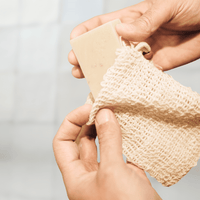
Solid Shampoo & Conditioner Bars: Plant-based, sulfate-free solid shampoo bars gently cleanse the scalp without harsh chemical detergents, preserving natural moisture balances.
Frequently Asked Questions (FAQ)
How long does stress hair loss last?
Acute telogen effluvium typically lasts 3 to 6 months once the underlying stressor has been resolved. If shedding persists beyond 6 months, it is considered chronic telogen effluvium and warrants medical evaluation.
Will stress-related hair loss grow back on its own?
Yes. Because stress hair loss does not cause follicle miniaturization or scarring, hair follicles remain alive and functional. Once cortisol levels normalize, follicles re-enter the anagen (growth) phase and produce new strands.
Can daily work anxiety cause hair loss?
Yes. While acute physical shocks (surgery, high fever) are classic triggers, prolonged psychological stress from daily anxiety can keep cortisol levels elevated long enough to disrupt the hair cycle.
How can I tell the difference between stress hair loss and genetic hair loss?
Stress hair loss (telogen effluvium) causes sudden, uniform shedding across the entire scalp, often noticed in hairbrushes or shower drains. Genetic hair loss (androgenetic alopecia) develops gradually over years and concentrates in specific areas, such as a receding hairline or thinning crown.
Ready to restore balance to your hair routine? Give your scalp gentle, stress-free care with zero-waste, plant-powered formulas designed to protect your hair and the planet. Shop The Earthling Co. Hair Care Collection today.