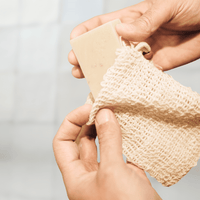

During the warmer months, a combination of sweat, excess sebum, and outdoor pollutants easily accumulates at the roots of your hair. When you add heavy sunscreen and SPF residue to the mix, it creates a stubborn layer of scalp buildup that clogs hair follicles, leading to persistent itchiness, unwanted odor, and flat, lifeless hair. To maintain optimal summer scalp care, the solution lies in a strategic routine: wash slightly more frequently using a gentle, non-stripping shampoo bar, leverage a clean, non-aerosol dry shampoo to absorb mid-day moisture, and apply a targeted serum to keep the delicate skin barrier fully supported.
What Summer Does to Your Scalp
Summer brings longer days, outdoor adventures, and warmer weather, but it also introduces a unique set of environmental stressors that can compromise your skin health from the forehead up. When temperatures rise, your body naturally accelerates its cooling mechanisms. This results in a chronically sweaty scalp, where eccrine and apocrine glands work overtime to pump out water and trace minerals. While sweat is essential for temperature regulation, it doesn't vanish cleanly from your hair roots. As the water evaporates under the sun, it leaves behind a concentrated crust of salt and minerals directly on your skin.
At the same time, heat stimulates your sebaceous glands to produce more sebum. When this excess oil mixes with the leftover salt crust and ambient outdoor dust, it forms a thick, tacky paste.
The real summer culprit, however, is product migration. To shield our skin from UV damage, we generously apply facial sunscreens, mineral blocks, and setting sprays. During a workout or a walk in the sun, these water-resistant formulations inevitably melt and travel upward into the hairline. Standard sunscreens are specifically engineered to stick to the skin and resist water, meaning they require intentional, targeted cleansing to remove. When left unaddressed, this mixture of sweat, sebum, and SPF creates a stubborn matrix of scalp buildup that suffocates the hair follicles, creates an environment ripe for microbial imbalances, and prevents your hair from growing optimally. Transitioning to a dedicated seasonal routine isn't just about aesthetics; it is a fundamental requirement for basic skin health.
Signs of Scalp Buildup
Recognizing the early symptoms of accumulation can save you from a cycle of chronic irritation and hair damage. Because the skin on your head is hidden beneath thousands of hair strands, congestion doesn't always present itself as a traditional breakout. Instead, it manifests through structural changes in your hair and distinct sensory signals from your skin.
The Unrelenting Itch and Tenderness
One of the first indicators of buildup is a persistent, scratchy sensation that doesn't disappear even after a standard wash. As layers of dead skin cells and hardened oils accumulate around the base of the hair shaft, they compress the follicle and irritate the surrounding nerve endings. In severe cases, this can lead to "hair pain" or scalp tenderness when you shift your hair from one side to another, signaling localized inflammation beneath the surface crust.
The Summer Root Odor
Sweat itself is virtually odorless when it first emerges from the skin. However, when it remains trapped beneath a dense layer of sunscreen residue and oxidized sebum, it creates a warm, anaerobic environment. Natural skin bacteria and Malassezia yeast—which thrive on oils—begin to break down these components. The byproduct of this metabolic process is a distinct, musty, or sour scent that lingers at the roots, even if the mid-lengths and ends of your hair smell completely clean.
Flatness, Weight, and Lack of Volume
If you notice that your hair looks limp, greasy, and separated at the roots merely hours after a wash, you are likely dealing with heavy product residue. This occlusive layer acts like a literal weight, pinning the hair down and neutralizing its natural lift. No amount of blow-drying or texturizing spray can fix this flatness because the foundation itself is physically weighed down.
Oily Flaking vs. Dry Dandruff
It is crucial to differentiate between dry scalp flakes and the flaking caused by buildup. Dry skin flakes are small, white, and drop easily from the hair. Conversely, flakes stemming from accumulation are larger, yellowish, and feel waxy or greasy to the touch. They tend to stick to the hair shaft near the root and can accumulate under your fingernails if you scratch your head. Experiencing these symptoms indicates that your scalp is signaling the need for an intensive scalp detox.
How to Clear It: The Power of a Scalp Detox
To break down water-resistant sunscreens, salt crystals, and dense sebum, you need an intentional cleansing strategy. Many commercial clarifying shampoos rely on harsh, industrial-grade sulfates (like Sodium Lauryl Sulfate) to strip away grime. While these ingredients do clear the surface, they act like a scorched-earth policy for your skin barrier. Stripping away the scalp's essential lipids sends a signal to your sebaceous glands that the skin is dangerously dry, triggering a massive rebound production of oil. This locks you into a frustrating cycle of washing, drying out, and becoming excessively greasy twenty-four hours later.
The most effective approach to a scalp detox relies on a fundamental principle: gentle cleansing clears buildup without stripping. By utilizing mild, plant-derived surfactants, you can effectively emulsify stubborn SPF silicones and heavy oils while leaving the underlying moisture barrier completely intact.
Our Sensitive Bar is formulated precisely for this delicate balance. Free from harsh synthetic sulfates, silicones, and irritating fragrances, this solid shampoo bar utilizes concentrated, earth-friendly cleansers that lift away summer impurities without disrupting the skin's natural pH. Because it contains no added water, the active ingredients remain highly potent, creating a rich, micro-dense lather that penetrates dense roots with ease.
The Perfect Summer Wash Technique
To get the most out of your wash and ensure all sunscreen and sweat residue is entirely removed, refine your technique with these steps:
-
Thoroughly Saturate: Spend at least two full minutes rinsing your hair with lukewarm water before introducing any soap. This physically dissolves the water-soluble salt crust left behind by a sweaty scalp.
-
Activate the Bar: Rub the Sensitive Bar between your wet hands to generate a rich lather, or glide the bar directly from your hairline back toward the crown of your head.
-
Fingertip Massage (No Nails): Use the pads of your fingers to execute firm, circular motions across your entire head. Pay special attention to the "hot zones" for summer accumulation: the front hairline (where facial sunscreen settles), the area behind the ears, and the nape of the neck where sweat collects.
-
The Double Wash: If you have spent a long day at the beach or completed an intense workout, repeat the process. The first wash breaks down the stubborn external layer of sunscreen and oil; the second wash cleanly flushes the hair follicles.
-
Rinse Completely: Ensure you rinse thoroughly, allowing the water to run completely clear to prevent any soap residue from contributing to future buildup.

Refreshing Between Washes: The Dry Shampoo Strategy
In an ideal summer world, we would wash our hair after every sweat-inducing activity. However, over-washing can easily fatigue your hair strands and lead to mid-length dryness. For those mid-week workouts, humid commutes, or post-beach transitions, a high-quality dry shampoo is an indispensable tool.
Yet, traditional dry shampoos present a hidden danger for scalp buildup. Most conventional options come packaged in aerosol cans, utilizing liquefied propellants like butane, isobutane, and propane to spray heavy, synthetic starches onto your roots. When these chemical propellants evaporate, they leave behind a sticky, unnatural film. When sprayed onto a damp, sweaty surface, these starches mix with the moisture to form a paste that dries into a cement-like layer, suffocating the follicles and triggering severe itching.
To avoid this, opt for a clean alternative. A non-aerosol dry shampoo refreshes roots purely through physical, plant-based absorption, completely avoiding volatile organic compounds and synthetic polymers.
Our plant-based Dry Shampoo relies on a fine, aerosol-free delivery system to distribute ultra-lightweight starches like arrowroot and natural clays directly to the hair. Instead of coating your skin in a synthetic film, these finely milled botanicals act like tiny, benevolent sponges. They gently draw up excess sweat and sebum from the hair shaft without driving the particles deep into the hair follicle pore.
How to Apply Non-Aerosol Dry Shampoo for Maximum Freshness
To refresh your hair without adding to your root congestion, follow this application method:
-
Section the Hair: Part your hair in parallel rows to expose the areas where sweat concentrated most heavily.
-
Puff and Disperse: Hold the bottle a few inches away and gently squeeze or shake to release a fine cloud of powder onto the roots. A little goes a long way.
-
Let It Sit: Allow the powder to rest undisturbed on your hair for 60 to 90 seconds. This gives the natural starches time to fully bind to the oils and moisture.
-
Massage and Activate: Use your fingertips to massage the powder through your roots, distributing it evenly. This eliminates any white cast and ensures the minerals blend seamlessly into your natural hair texture.
-
Brush It Out: Finish by brushing your hair thoroughly from root to tip to remove the oil-saturated powder particles, leaving behind clean volume and a completely refreshed base.
Protecting the Barrier: Post-Wash Scalp Care
Clearing away the grime is only half the battle. The skin on your head requires the exact same structural care that you provide to your face. When exposed to intense summer heat, chlorine from pools, salt water from the ocean, and regular cleansing, the delicate stratum corneum (the outermost layer of the skin barrier) can become micro-fractured and dehydrated. If the barrier is left unprotected, moisture escapes rapidly, leaving the skin vulnerable to environmental toxins and opportunistic bacteria.
To restore this equilibrium, your post-wash routine should always feature dedicated hydration. Introducing a targeted, water-based treatment ensures that your skin remains calm, resilient, and balanced throughout the sun-drenched season.

Our Scalp Serum is engineered precisely to fulfill this protective role. Formulated without heavy oils or pore-clogging silicones, this ultra-light fluid delivers deep hydration directly to the skin cells. Enriched with soothing botanicals and skin-identical nutrients, it works to instantly calm heat-induced redness, reduce low-grade inflammation from UV exposure, and reinforce the lipid barrier. By locking in pure, weightless moisture, the serum signals to your body that it does not need to overproduce sebum, effectively helping to prevent future grease and subsequent scalp buildup.
Integrating Serum into Your Summer Routine
Using a serum is incredibly straightforward and adds less than a minute to your post-shower regimen. After washing with your Sensitive Bar and gently towel-drying your hair, part your hair into a few sections. Apply a few drops of the Scalp Serum directly onto the skin. Use your fingertips to smooth the liquid across your head, focusing heavily on areas that feel dry, tight, or prone to sun exposure. Because the formula is entirely oil-free and weightless, it absorbs instantly without disrupting your style, leaving your hair roots lifted, comfortable, and thoroughly protected against the summer elements.
Frequently Asked Questions
How often should I wash my hair during the summer to prevent scalp buildup?
There is no universal number, as your washing frequency depends entirely on your hair texture, activity level, and sebum production. However, most people need to wash their hair 1 to 2 times more per week during the summer than they do in the winter. If you work out daily or apply heavy hairline sunscreen, a gentle every-other-day wash with a sulfate-free bar is perfectly safe and highly effective at preventing accumulation.
Can sunscreen on my hairline cause scalp acne?
Yes. Many facial sunscreens contain heavy comedogenic oils, thick emulsifiers, and water-resistant silicones designed to stay put on the face. When these products mix with sweat and migrate up into your hairline, they can easily plug the hair follicles, trapping bacteria inside and causing localized inflammation, bumps, or scalp acne. Ensuring you cleanse your hairline thoroughly during your wash routine is vital to preventing these breakouts.
What is the main difference between a sweaty scalp and actual scalp buildup?
A sweaty scalp is a temporary condition caused by active eccrine glands releasing water and salt during heat exposure or exercise. Scalp buildup, on the other hand, is a chronic accumulation of semi-hardened materials—including unwashed sweat minerals, oxidized sebum, dead skin cells, and stubborn product residues—that have bound to the skin over time. Sweat can be rinsed away with water, whereas true buildup requires targeted, emulsifying cleansers to remove.
Why is a non-aerosol dry shampoo safer for my hair follicles than a traditional spray?
Traditional aerosol dry shampoos rely on chemical propellants (like propane or butane) and synthetic coatings that create an occlusive, plastic-like layer over the skin, trapping grime inside the follicle. Non-aerosol dry shampoos utilize clean, plant-derived powders that gently absorb surface oils and sweat without suffocating the skin. Because they lack liquid chemicals, they can be easily brushed out of the hair, significantly reducing the risk of root congestion.
Will performing a scalp detox fade my hair color?
A properly executed detox using gentle, plant-based surfactants will not strip or fade your hair color. Hair color fading typically happens when harsh sulfates open up the hair cuticle and wash away pigment molecules, or from direct UV sun damage. Utilizing a sulfate-free option like our Sensitive Bar allows you to deeply cleanse the skin and remove water-resistant residues while keeping your hair cuticle sealed, healthy, and vibrant.