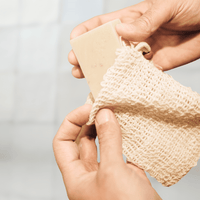

Liquid shampoo's environmental cost is mostly invisible: it's about 80% water shipped in plastic bottles, which adds weight, fuel, and carbon to every unit, and most bottles aren't effectively recycled. Concentrated bars cut the plastic and ship lighter—a meaningful per-person reduction over a year. Examining the full lifecycle of traditional personal care products reveals how water transport, packaging waste, and freight logistics drive plastic pollution in the beauty industry.
What Is the Water and Plastic Problem in Liquid Shampoo?
When you buy a standard 12-ounce bottle of liquid shampoo, you are primarily purchasing municipal tap water that has been bottled in rigid plastic, scented with synthetic fragrances, and preserved with synthetic chemicals.
This water-heavy architecture creates two distinct environmental crises:
-
Unnecessary Freshwater Extraction: Manufacturing liquid shampoo requires pumping millions of gallons of purified water into industrial facilities daily. In regions experiencing drought or water stress, diverting clean municipal water into disposable personal care products strains local water tables.
-
Exponential Plastic Waste Generation: To hold liquid water without leaking or degrading on store shelves, manufacturers rely on high-density polyethylene (HDPE) or polyethylene terephthalate (PET) plastics. These bottles require energy-intensive fossil fuel extraction and refining before they ever reach a filling line.
Globally, the personal care industry produces over 120 billion units of packaging every year, the vast majority of which are single-use plastic containers designed to be discarded after a few weeks of use.
How Shipping Water Explodes the Shampoo Carbon Footprint
The true ecological toll of liquid hair care expands exponentially during transport. Water is exceptionally heavy—weighing roughly 8.34 pounds per gallon. Because conventional liquid shampoo is composed of up to 80% water, logistics networks are essentially hauling bottled water across continents on diesel trucks, cargo ships, and freight planes.
This unnecessary shipping weight directly inflates the shampoo carbon footprint:
-
Increased Fuel Consumption: Freight vehicles require significantly more diesel fuel to haul heavy liquid cargo compared to lightweight dry goods.
-
Elevated Freight Volume: Rigid plastic bottles take up substantial spatial volume in cargo containers, reducing the total number of individual wash units that can fit on a single shipping pallet.
-
Supply Chain Inefficiencies: Transporting heavy liquid raw materials to bottling plants, and then shipping finished liquid bottles to distribution centers and retail stores, multiplies carbon emissions at every leg of the supply chain.
By removing liquid water during manufacturing, solid shampoo bars eliminate up to 80% of transport weight and 75% of spatial volume, allowing a single freight truck to carry the wash equivalent of five trucks loaded with liquid bottles.
The Recycling Myth: Why Plastic Pollution from Beauty Persists
Many consumers purchase liquid shampoo under the assumption that throwing empty bottles into curbside recycling bins solves the environmental problem. However, global waste statistics reveal that consumer plastic recycling is largely inefficient.
According to reports from the Environmental Protection Agency (EPA) and the OECD, less than 9% of all plastic waste generated globally is successfully recycled. The remaining 91% is sent to municipal landfills, burned in waste incinerators, or washed down waterways into marine ecosystems.
Several factors explain why liquid shampoo bottles rarely make it through the recycling process:
-
Bathroom Recycling Disconnect: While up to 70% of kitchen waste gets sorted into recycling bins, less than 50% of consumers maintain recycling bins in their bathrooms, causing most personal care bottles to be thrown directly into municipal trash.
-
Multi-Material Components: Liquid shampoo bottles frequently use complex, non-recyclable components such as lotion pumps, metal springs, and dark-colored caps that contaminate recycling streams.
-
Residue Contamination: Residual liquid shampoo left inside unrinsed bottles often causes entire bales of recyclable plastic to be rejected at sorting facilities and redirected to landfills.
Once in a landfill or ocean environment, synthetic plastics do not biodegrade. Instead, exposure to sunlight and wave action breaks them down into microscopic fragments known as microplastics, which absorb toxins and enter the marine food web.
Shampoo Bars vs. Liquid Shampoo: The Environmental Impact Data
To evaluate how transitioning to waterless hair care alters environmental outcomes, consider the direct resource comparison between a standard 12-month liquid shampoo routine and a solid bar routine:
Annual Resource Consumption Comparison
-
Single-Use Plastic Containers: A conventional liquid routine consumes 10 to 15 plastic bottles per person annually, whereas a solid bar routine uses 0 plastic bottles.
-
Total Shipping Weight: Liquid shampoo requires transporting 10 to 12 pounds of water weight per year, compared to under 1.5 pounds of total weight for concentrated solid bars.
-
Landfill Waste Contribution: Traditional bottles generate 2 to 3 pounds of persistent plastic waste each year, while solid bars generate zero persistent waste using 100% compostable paper packaging.
-
Chemical Preservative Reliance: Water-based liquid formulas require synthetic parabens or formaldehyde-releasers to prevent microbial growth, whereas waterless solid bars remain fresh naturally without synthetic preservatives.
Over a single year, one individual switching to solid hair care prevents roughly 15 plastic bottles from entering landfills while reducing personal freight-related shipping emissions by over 80%.

How The Earthling Co. Reduces Beauty Plastic Pollution
At The Earthling Co., our mission is centered on designing high-performance hair care products that eliminate single-use plastic waste and cut carbon emissions at the source.
We achieve this through intentional, waterless product architecture:
-
Concentrated Waterless Formulas: By eliminating liquid water filler, our solid bars deliver pure plant-based performance. One compact bar lasts for 50 to 75 washes, effectively replacing 2 to 3 standard liquid bottles.
-
Zero Plastic Packaging: Every order is shipped using 100% plastic-free, recyclable, and compostable paper packaging printed with soy-based inks.
-
Carbon-Efficient Freight: Because our solid bars are lightweight and compact, shipping our products generates a fraction of the fuel consumption and emissions associated with heavy liquid distribution.
Whether you choose our best-selling Volumizing & Thickening Shampoo Bar for fine hair or our deeply hydrating Moisture & Strength Shampoo Bar for dry or curly hair, you enjoy rich salon-quality lather without contributing to plastic pollution.
Learn how to integrate zero-waste products seamlessly into your daily life with our guide on Building a Sustainable Hair Care Routine.
Frequently Asked Questions
Why does liquid shampoo require so much plastic packaging?
Liquid shampoo consists of roughly 80% water. Because water is heavy and prone to leaking, manufacturers must use durable, rigid plastic containers like HDPE or PET to store and ship liquid products safely without bottle degradation.
How does shipping water increase the carbon footprint of shampoo?
Water is heavy, weighing over 8 pounds per gallon. Transporting liquid shampoo across long distances requires significantly more diesel fuel and freight container space than shipping lightweight, waterless solid bars, leading to higher greenhouse gas emissions per wash.
Are plastic shampoo bottles really recyclable?
While many liquid shampoo bottles display recycling symbols, less than 9% of all consumer plastic waste is actually recycled globally. Many bottles end up in landfills due to residual product contamination, non-recyclable pump mechanisms, or low bathroom recycling habits.
How much plastic does one shampoo bar save?
One concentrated shampoo bar yields up to 75 washes, replacing 2 to 3 standard 8-ounce plastic liquid shampoo bottles. Over a year, an individual switching to solid bars keeps 10 to 15 plastic bottles out of landfills and oceans.